


Spotlight Q&A: Office of Disability Employment Policy 25th Anniversary
Assistant Secretary of Labor for Disability Employment Policy Julie Hocker reflects on the Office of Disability Employment Policy's (ODEP) impact across the American workforce and her vision for the next 25 years.
Organization
Office of Disability Employment Policy
Website
https://www.dol.gov/agencies/odep
Related Resources
- National Disability Employment Awareness Month (NDEAM)
- NDEAM 2026: Celebrating Value & Talent – A Milestone Conversation (Video)
Related Content
news & events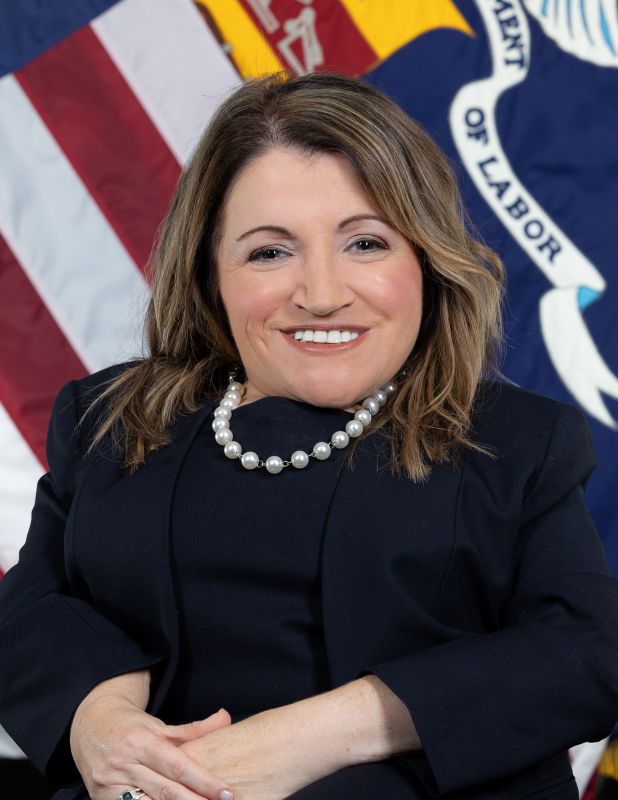
In recognition of National Disability Employment Awareness Month (NDEAM) and the Office of Disability Employment Policy’s (ODEP) 25th anniversary, EARN sat down with Assistant Secretary of Labor for Disability Employment Policy Julie Hocker to reflect on ODEP’s impact across the American workforce. She discusses how workers with disabilities are helping drive American industry, the vital role employers play in creating opportunities, and her vision for the next 25 years. Read the Q&A below and visit ODEP’s website, explore resources for celebrating NDEAM, and learn more about Assistant Secretary Hocker.
Q: ODEP is celebrating its 25th anniversary this year. So, let's start with a reflection. How does the way we talk about disability and employment now differ from when ODEP was established? Has the conversation changed?
A: Absolutely, and I think it's one of the most important changes we've seen over the past 25 years. We've moved from asking whether Americans with disabilities can work to recognizing the tremendous talent, skills, and experience they bring to our nation's workforce.
That distinction matters. Americans with disabilities are not a separate workforce. We are part of America's workforce. We are skilled workers, entrepreneurs, veterans, experienced professionals, and young people preparing to enter the labor market. And disability can become part of anyone's life at any point in their career.
Today, the conversation is about opportunity. How do we connect more Americans with disabilities to in-demand jobs? How do we make sure they have access to the skills and training employers need? And how do we support people throughout their careers, from our first job through retirement?
ODEP has helped lead that shift by bringing employers, policymakers, and workforce partners together around practical solutions. As we look ahead, our focus is on turning those opportunities into lasting careers and greater economic independence for Americans with disabilities.
Q: What accomplishment do you think ODEP should feel most proud of over its 25 years?
A: I'm especially proud of how ODEP has helped turn partnerships and policy into meaningful employment opportunities for Americans with disabilities.
Over the past 25 years, we've helped employers strengthen their hiring and retention practices, advanced effective workplace accommodations, and built partnerships that connect more Americans with disabilities to jobs and career opportunities.
And we're seeing encouraging results. The labor force participation rate for Americans with disabilities reached a historic high of 43.8 percent, and more than 6.9 million Americans with disabilities are working. Those numbers represent people earning paychecks, contributing their skills, supporting their families, and helping drive our economy forward.
That progress belongs first and foremost to American workers and the businesses that employ them. ODEP is proud to have played a role in advancing the policies, partnerships, and practices that help make those opportunities possible.
As we celebrate our 25th anniversary and National Disability Employment Awareness Month, I'm excited about building on that momentum. We have an extraordinary opportunity to connect more Americans with disabilities to the skilled, high-demand jobs that are shaping our country's future.
Q: You mentioned employers. Why is employer engagement such a priority for ODEP, and what is your core message to business leaders?
A: Employers are essential partners in everything we're working to accomplish. They know the skills their industries need, the challenges they face in recruiting and retaining talent, and where the next generation of jobs is emerging.
Under Secretary Sonderling's leadership, the Department of Labor is focused on strengthening America's workforce, expanding apprenticeships, and preparing workers for opportunities in high-growth industries. ODEP has an important role to play in that effort.
I want employers to see Americans with disabilities as an important part of their talent strategy, whether they're looking for skilled workers in manufacturing, healthcare, technology, or the trades.
That's also why I'm excited about EARN's employer engagement work in 2027, when we'll be placing a particular focus on three industries: finance, healthcare, and transportation and warehousing. By working more closely with employers in these sectors, we can better understand their workforce needs, identify opportunities for Americans with disabilities, and connect businesses with practical strategies and resources to recruit, retain, and advance talent.
That also means listening to employers and making sure our policies and resources respond to their needs. We want to help businesses connect with qualified workers, strengthen their existing workforce, and take advantage of the tremendous talent available to them.
When employers and workforce partners work together, we can create more pathways to good-paying jobs and help American businesses remain competitive.
Q: What is the key to companies getting this right? When it comes to providing those supports, what sets successful organizations apart?
A: I think the most successful employers understand that investing in their workforce means investing in people throughout their careers.
That includes providing the tools employees need to be productive, supporting professional development, and recognizing the value of retaining experienced workers.
Workplace accommodations are an important part of that. They can be as straightforward as a modified schedule, a piece of technology, or an adjustment to how a task is performed. Often, relatively simple solutions can make an enormous difference in an employee's ability to contribute and succeed.
And there's a broader benefit that I think employers sometimes overlook. An accommodation may be designed for one employee, but it can improve the workplace for everyone. When employers find better ways for people to work, they often discover improvements in communication, flexibility, productivity, and the overall workplace culture.
Consider someone who develops a disability after years with a company. That employee brings valuable experience, knowledge, and skills. Employers who know how to respond effectively can retain that talent and help the employee continue building a successful career.
I also think leadership matters. When managers are equipped to have constructive conversations, understand available resources, and find practical solutions, it benefits the entire workplace.
The employers getting this right recognize that supporting their employees and strengthening their businesses go hand in hand.
Q: For employers just getting started or seeking to enhance existing efforts, what practical steps would you recommend?
A: I'd encourage employers to start by looking at the opportunities right in front of them. Are they reaching the full pool of available talent? Are their hiring practices focused on the skills a job actually requires? Are they taking advantage of apprenticeships and other work-based learning opportunities to develop the workforce they need?
And I would encourage them to make use of the excellent resources already available through ODEP.
EARN is a great place to start. Its toolkits, training, webinars, and technical assistance help employers strengthen recruitment, hiring, retention, and advancement practices. Our Job Accommodation Network, or JAN, also provides free, confidential, individualized guidance to employers and workers on workplace accommodations.
I'm particularly excited about the opportunities emerging through super intelligence and other advanced technologies. We're entering a period of extraordinary change in how work gets done, and these technologies are giving workers new ways to build skills, solve problems, and be more productive.
For Americans with disabilities, that potential is especially significant. Super intelligence can make certain tasks more manageable, create new ways to perform existing jobs, and expand access to careers that may not have been possible before. At the same time, it's changing the skills employers need and creating new opportunities across industries.
I want Americans with disabilities to be at the forefront of that transformation, developing the skills to use these technologies and taking advantage of the new career pathways they create.
For employers, the opportunity is to think about how these tools can strengthen their workforce today while preparing their employees for what's coming next. And resources like JAN can help businesses understand how emerging technologies can be used effectively as workplace accommodations.
Q: It sounds like the goal isn't just getting people in the door but building real careers. Looking ahead to the next 25 years, what is your vision for ODEP?
A: My vision is for ODEP to help usher in a new era of economic opportunity and financial independence for Americans with disabilities.
Employment is the foundation, but our ambitions should extend well beyond getting someone their first job. We want Americans with disabilities to have opportunities to develop their skills, advance in their careers, increase their earnings, build savings and investments, and enjoy a secure retirement.
That's what economic independence looks like, and it's central to the American Dream.
Financial literacy is an important part of that vision. Earning a paycheck is one step. Understanding how to make the most of those earnings, plan for the future, and build long-term financial security is another. That's why I'm excited about our new Make Work Pay Hub, which will help connect Americans with disabilities to information and resources that support informed financial decisions and greater economic independence.
Looking ahead, I want ODEP to continue strengthening our partnerships with employers, expanding access to high-demand careers, and ensuring Americans with disabilities can take full advantage of the opportunities created by new technologies and a growing economy.
I'm also excited about what we can accomplish by working more closely across the Department of Labor and with our partners in the states and private sector. Disability employment policy should be an integral part of how we prepare America's workforce for the future.
Ultimately, what we want for Americans with disabilities is what we want for every American: the freedom and opportunity to work hard, build a career, provide for their families, achieve financial independence, and pursue the American Dream.
That's the vision guiding our work, and I can't think of a more meaningful way to build on ODEP's first 25 years.
This Spotlight Q&A was featured in EARN's October 2026 Newsletter.
EARN is fully funded by the U.S. Department of Labor’s Office of Disability Employment Policy under Cooperative Agreement No. 23475OD000002-01-00 with Cornell University's Yang-Tan Institute on Employment and Disability, in the amount of $11,000,000.
The content in this newsletter does not necessarily reflect the views or policies of the U.S. Department of Labor, nor does mention of trade names, commercial products, or organizations imply endorsement by the U.S. Government.